How to Request an Itemized Hospital Bill (And Why You Should)
Hospital bills are famously hard to read, that’s kind of by design. The version you get in the mail bundles everything into broad categories like "emergency services" or "pharmacy," with no breakdown of what's actually in each bucket.
The fix is an itemized bill. It's the same information, broken out line by line, showing every single service, medication, and supply you were charged for. Hospitals don't send one automatically but if you ask for it, they have to provide it.
Here's when to request one and how to use it.
What an Itemized Bill Actually Looks Like
A regular bill is not going to give you a ton of information. It might pull out a couple of line items or a couple of different dates of service, but it generally won't break down every single service that you received.
A standard hospital bill might show you something like this:
Emergency Services: $8,500
Laboratory: $1,200
Radiology: $2,800
Pharmacy: $450
An itemized bill for the same visit breaks each of those down:
ER visit, high complexity: $1,850
Routine blood draw: $45
Comprehensive metabolic panel: $185
Chest X-ray, 2 views: $285
Benadryl 50mg: $28
...and so on, for every single charge
When You Should Ask for One
Not every medical bill needs an itemized breakdown. For a routine doctor's appointment where you had a quick visit, the standard bill is usually fine and there's not much to dig into.
But for anything bigger, it's worth asking:
Hospital stays
Emergency room visits
Surgeries or procedures with multiple components
Any bill that seems much higher than you expected
If you're in the hospital for a day or two, or in the emergency room, you might have received hundreds of services: this IV and that IV and this bandage and all of those different things. Especially for those who are worried about the cost, ask for a full itemized bill.
How to Request an Itemized Bill
Call the hospital's billing department and ask for a "full itemized bill" or "itemized statement." Be specific: say you want every service, supply, and medication broken out individually, not just the summary categories.
Always, if you're worried about the price or the cost, ask for an itemized statement so you can see everything they charge you for.
You can also ask in writing (by email or through a patient portal) if you want a paper trail.
Hospitals are required by federal law to provide itemized bills on request, and several states (California, New York, and others) have additional consumer protection laws that reinforce this. You shouldn't have to argue for it.
Most hospitals can generate an itemized bill within a couple of weeks. The underlying data is already in their system: they just don't print it all out by default.
The top errors I always look for in an itemized bill
Once you get it, read through line by line. You're looking for things like:
Services you don't remember receiving
Duplicate charges for the same service on the same day
Room or observation charges on dates you were already home
Supplies or equipment that don't match what you actually got
Medications you didn't take or weren't prescribed
Sometimes hospitals will just throw stuff in there or add extra stuff. You can go through the itemized bill and see if you actually received the services. This kind of error is surprisingly common — Consumer Reports and other billing audits have found that roughly 40% of medical bills contain errors, and hospital bills tend to be the most error-prone of all.
If you find something that looks wrong, flag it with the billing department and ask them to explain or correct it. Having the itemized bill in hand means you can point to specific charges rather than arguing about a lump sum: which makes the conversation much more productive.
Using Itemized Bills to prioritize what you negotiate
An itemized bill also gives you leverage if you're trying to reduce what you owe.
Billing departments tend to respond better to specific line-item challenges than to general requests for a discount. When you can say "this $600 charge is for a service I didn't receive" or "this medication was billed twice on the same day," you're making a concrete ask they can actually address.
You can also use the itemized breakdown to focus your attention on the highest dollar items. I would prioritize a $3,000 procedure fee that doesn't match the care you received is.
When You Need More Support
Going through a 50-page itemized bill is a lot to take on alone. Granted reviews every line item, flags errors, and handles the back-and-forth with billing departments on your behalf. You only pay if we save you money. Download the app today.
TL;DR
Standard hospital bills hide details in broad categories — itemized bills break out every charge
Hospitals have to provide an itemized bill when you ask, but won't send one automatically
Request one for any hospital stay, ER visit, or bill that seems higher than expected
Look for duplicate charges, services you didn't receive, and supplies that don't match your care
Itemized bills give you specific line items to challenge when negotiating
Frequently Asked Questions about Itemized Hospital Bills
Do hospitals have to provide itemized bills?
Yes. Under federal law (the No Surprises Act), hospitals and providers must provide an itemized bill when you request one. Many states have additional laws that reinforce this.
How long does it take to get an itemized bill?
It usually takes one or two weeks to get an itemized bill. The hospital or provider should have all the data they need, they just need to generate it in a format they can send you.
Can I request an itemized bill after I've already paid?
Yes. Hospitals typically keep billing records for at least seven years, and you're entitled to request an itemized statement at any time. If you spot errors after the fact, you can still dispute them. But it will be more difficult to get a refund, so if you have suspicions that something is incorrect, ask for the itemized bill before you pay!
What's the difference between an itemized bill and an EOB?
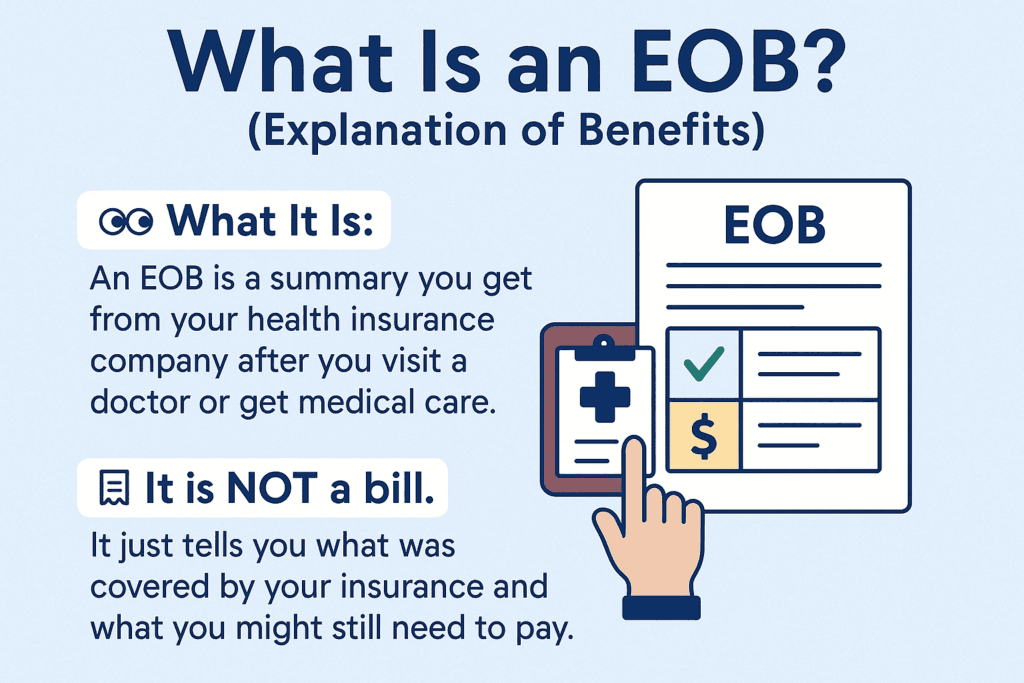
An EOB (explanation of benefits) comes from your insurance company and shows how they processed the claim. An itemized bill comes from the hospital and shows every individual service they charged for. You want both when you're checking for errors because the EOB shows what insurance thinks you owe, and the itemized bill shows what the hospital is actually charging.